


Chống rò ELCB
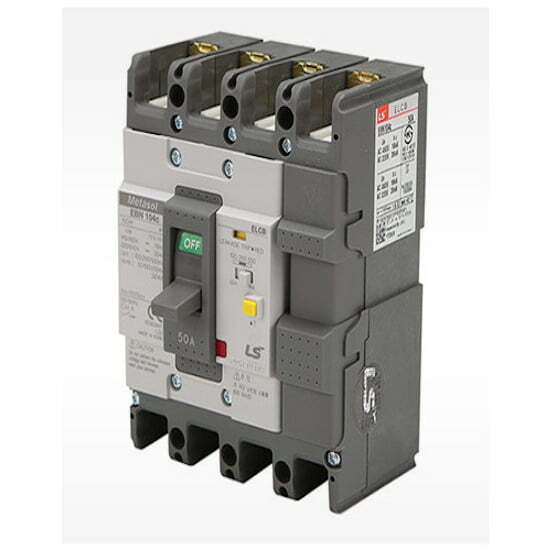
EBN104c 4P 100A 18kA 30mA LS: Complete Protection Guide
Introduction to ELCB Protection Systems
Electrical safety is not just a regulatory requirement but a critical
component of any modern building’s infrastructure. The LS EBN104c Earth
Leakage Circuit Breaker (ELCB) represents the pinnacle of protection
technology, offering comprehensive safeguards against electrical leakage
hazards. This 4-pole, 100A device with 18kA breaking capacity and 30mA
sensitivity threshold stands as a vigilant guardian against potential
electrical accidents in both residential and commercial settings.
When electrical systems malfunction, the consequences can range from
equipment damage to fatal accidents. That’s why investing in high-quality
protection devices like the LS EBN104c ELCB is essential for property owners
who prioritize safety and reliability.
Understanding the LS EBN104c ELCB Specifications
The LS EBN104c is engineered with precision to deliver exceptional performance
across multiple parameters:
Poles: 4P (4-pole) for complete circuit protection
Current Rating: 100A for high-capacity applications
Breaking Capacity: 18kA ensures safety during severe fault conditions
Leakage Sensitivity: 30mA provides optimal protection against shock
hazards
Manufacturer: LS Electric, a global leader in electrical protection
equipment
These specifications make the EBN104c suitable for a wide range of
applications where reliable protection against earth leakage currents is
paramount. The device’s 18kA breaking capacity ensures it can safely
interrupt fault currents up to 18,000 amperes, providing robust protection
even in demanding industrial environments.
“Electrical safety devices are only as good as their specifications
and reliability. The LS EBN104c delivers on both counts with industry-leading
performance parameters.” – Electrical Safety Institute
How the LS EBN104c ELCB Works
The EBN104c ELCB operates on a sophisticated principle of current
differential detection. When functioning normally, the electrical current
flowing through the line conductor equals the current returning through the
neutral conductor. Any imbalance between these currents indicates a potential
earth leakage situation.
Upon detecting a leakage current that exceeds the 30mA threshold, the
device rapidly disconnects the circuit, typically within 30 milliseconds.
This lightning-fast response time is critical for preventing electric shock
and potential fires caused by earth leakage currents.
The internal mechanism consists of:
A sensitive current transformer that monitors current flow
A trip mechanism that responds to detected imbalances
A mechanical contact system that physically disconnects the circuit
This three-stage protection system ensures reliable operation even under
challenging conditions, making the LS EBN104c an indispensable component of
comprehensive electrical safety systems.
Key Benefits of the EBN104c 4P 100A Model
The LS EBN104c offers numerous advantages that set it apart from standard
circuit protection devices:
Enhanced Safety Features
The 30mA sensitivity level provides optimal human protection without
compromising operational stability. This carefully calibrated threshold
effectively prevents potentially fatal electric shocks while minimizing
nuisance tripping.
Additionally, the device features a test button for regular functionality
verification, ensuring the protection system remains operational throughout
its lifespan.
Superior Performance Specifications
With its 18kA breaking capacity, the EBN104c can safely interrupt extremely
high fault currents. This specification exceeds many standard requirements,
providing an extra margin of safety for demanding applications.
The 4-pole design ensures complete circuit isolation when tripped, offering
comprehensive protection across all conductors. This is particularly valuable
in three-phase systems with neutral, where complete isolation is essential
for safety.
Reliability and Durability
Built to rigorous industry standards, the LS EBN104c delivers consistent
performance throughout its operational life. The high-quality materials and
precision engineering result in a robust device capable of
withstanding:
Electrical stress from repeated operations
Environmental challenges including temperature fluctuations
Mechanical wear from normal use and installation
These durability features translate to lower maintenance costs and greater
long-term reliability for your electrical protection system.
Installation Guidelines for the LS EBN104c
Proper installation is crucial for ensuring the EBN104c ELCB functions as
intended. Follow these essential guidelines:
Mounting location: Install in a clean, dry environment within a suitable
enclosure
Wiring connections: Ensure correct phase sequence and tight terminal
connections
Torque specifications: Apply manufacturer-recommended torque values to
prevent connection failures
Testing after installation: Verify proper operation using the integrated
test button
installing the EBN104c, and ensure installation is performed by a qualified electrician
in compliance with local electrical codes.
For optimal protection, the device should be installed at the origin of the
circuit it protects, typically within the main distribution board. This
configuration provides comprehensive protection for the entire downstream
installation.
Applications for the 4P 100A 18kA 30mA ELCB
The LS EBN104c is versatile enough to serve in various demanding
environments:
Commercial Buildings
Office complexes, retail spaces, and public buildings benefit from the high
current rating and reliable protection. The 100A capacity accommodates
substantial commercial loads while maintaining safety standards.
Industrial Facilities
Manufacturing plants and industrial operations require robust protection
against potential ground faults. The 18kA breaking capacity of the EBN104c
makes it suitable for industrial environments where fault currents can reach
high levels.
High-Occupancy Residential Installations
Apartment buildings and condominiums with three-phase power systems require
reliable protection for common facilities and individual units. The 4-pole
configuration of the EBN104c provides comprehensive protection for these
complex systems.
Specialized Facilities
Healthcare institutions, educational facilities, and data centers demand
uncompromising electrical safety. The precise 30mA sensitivity of the EBN104c
delivers the perfect balance between safety and operational stability for
these critical environments.
Maintenance and Testing Recommendations
To ensure continued protection, regular maintenance and testing of the LS
EBN104c is essential:
- Perform monthly test
button operations to verify trip functionality - Conduct visual
inspections for signs of overheating or damage - Schedule professional
testing annually using specialized test equipment - Document all test
results and maintenance activities
These maintenance practices help identify potential issues before they
compromise safety. Remember that even high-quality devices like the LS
EBN104c require periodic attention to maintain optimal performance throughout
their service life.
Comparing the EBN104c with Similar Protection Devices
When evaluating electrical protection options, it’s valuable to understand
how the LS EBN104c compares to alternatives:
FeatureLS EBN104cStandard RCDsMCB Only ProtectionLeakage ProtectionYes
(30mA)Yes (variable)NoOvercurrent ProtectionYes (100A)NoYesBreaking
Capacity18kAVariesTypically lowerPole Configuration4P2P or 4P1P to 4PResponse
Time<30ms<30msNot applicable for leakage
This comparison highlights the comprehensive protection offered by the
EBN104c, combining the functions of both residual current devices and molded
case circuit breakers in a single, reliable unit.
Integration with Modern Electrical Systems
Today's electrical systems demand smart, interconnected protection
solutions. The LS EBN104c is designed to integrate seamlessly with:
Smart building management systems through auxiliary contacts
Power monitoring solutions for enhanced energy management
Cascaded protection schemes for selective coordination
This integration capability makes the EBN104c not just a protection device
but a component of holistic electrical management systems. By communicating
trip status and supporting remote monitoring, it contributes to more
efficient building operations.
Regulatory Compliance and Certifications
The LS EBN104c meets or exceeds relevant international and regional
standards, including:
IEC 61008 for residual current protection
IEC 60947 for low-voltage switchgear
Regional certifications for various markets
These certifications ensure the device delivers consistent, reliable
protection in accordance with globally recognized safety parameters. When
selecting protection equipment, these compliance markers provide assurance of
performance and quality.
Cost Considerations and Return on Investment
While the initial investment in a premium device like the LS EBN104c may
exceed that of basic alternatives, the long-term value proposition is
compelling:
Enhanced protection reduces risk of electrical damage and associated
costs
Lower maintenance requirements minimize operational expenses
Extended service life delays replacement costs
Reduced downtime following electrical faults improves productivity
When evaluating total cost of ownership, these factors make the EBN104c an
economically sound choice for applications where reliability and safety are
paramount.
Conclusion: Why Choose the LS EBN104c 4P 100A 18kA 30mA ELCB
The LS EBN104c represents the ideal balance of safety, performance, and
reliability for demanding electrical protection applications. Its
comprehensive specifications—4-pole configuration, 100A rating, 18kA breaking
capacity, and 30mA sensitivity—address the full spectrum of protection
requirements for modern electrical systems.
By investing in this premium protection device, facility managers and
electrical system designers can ensure optimal safety while maintaining
operational efficiency. The peace of mind that comes from knowing your
electrical system is protected by industry-leading technology is invaluable.
For applications where electrical safety cannot be compromised, the LS
EBN104c stands as the protection solution of choice among industry
professionals.
Frequently Asked Questions
What is the difference between an ELCB and an RCD?
While both devices protect against earth leakage, an ELCB (Earth Leakage
Circuit Breaker) like the LS EBN104c combines both overcurrent and earth
leakage protection in a single unit. An RCD (Residual Current Device)
provides only leakage protection and must be paired with an MCB for complete
circuit protection.
How often should I test the LS EBN104c?
Monthly testing using the integrated test button is recommended to ensure
proper functionality. Additionally, professional testing with specialized
equipment should be conducted annually as part of comprehensive electrical
maintenance.
Can the EBN104c be used in residential applications?
Yes, although its 100A rating and 4-pole configuration make it more
suitable for larger residential installations such as apartment buildings or
large homes with three-phase power. For standard single-family homes, a
lower-rated device may be more appropriate.
What does the 18kA breaking capacity mean?
The 18kA breaking capacity indicates that the device can safely interrupt
fault currents up to 18,000 amperes without damage to itself or surrounding
equipment. This high capacity makes it suitable for installations where
potential fault currents are substantial.
Is 30mA sensitivity appropriate for all applications?
The 30mA sensitivity is considered the optimal threshold for human
protection while minimizing nuisance tripping. However, for specialized
applications involving sensitive electronic equipment, lower thresholds
(10mA) may be preferred, while some industrial applications might utilize
higher thresholds (100mA or 300mA).
How does the LS EBN104c contribute to fire prevention?
By detecting and interrupting earth leakage currents as low as 30mA, the
device prevents the sustained flow of fault currents that could cause
overheating and potentially ignite surrounding materials. This makes it an
essential component of comprehensive fire prevention strategies in electrical
systems.